Universal Solo Travel Safety Guide

Navigating the World with Awareness, Instinct, and Smart Boundaries
1. Mindset: Ditching Naivety & Reading the Room
- The Danger of Being "Nice" vs. Being Smart: Many people—regardless of gender—are conditioned to be polite, avoid conflict, or answer every question a stranger asks. When traveling alone, keeping yourself safe completely supersedes making a stranger feel comfortable. Keep your physical distance at all times. You owe no one your time, your attention, or an explanation.
- Trusting Micro-Expressions over Words: Words lie; facial expressions, micro-expressions, and body posture usually don't. When someone claims they are "confused" or "trying to help," but their facial micro-expressions display anger, frustration, or hostility, believe what their body language is communicating. When in doubt, leave immediately.
- Studying vs. Solo Traveling: Being in a structured exchange program or studying abroad comes with safety nets, built-in communities, and local guides. Solo travel means you are your own security detail, navigator, and emergency response team 24/7. Write down local emergency numbers before landing in every country—emergency dispatch is not 911 everywhere in the world.
2. Transit & Street Crime Realities
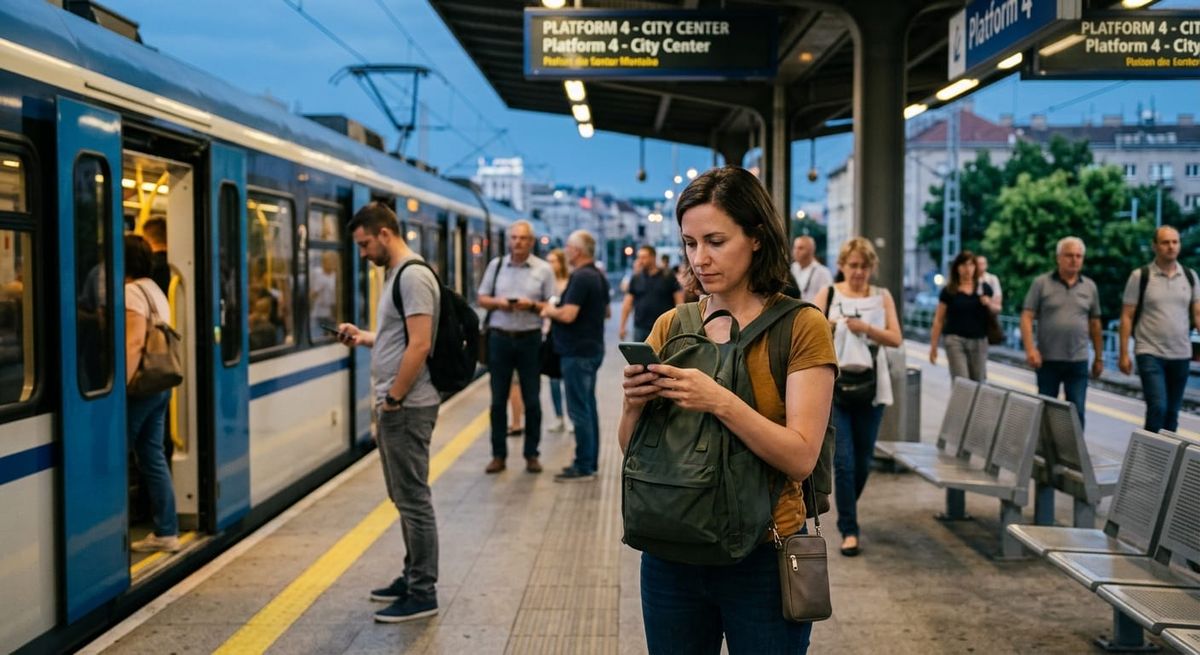
- Metros, Trains, and the "Door-Closing Grab": Thieves target people near train/Metro doors right as they are about to close—snatching phones or bags and stepping off right as the train pulls away. Always secure your belongings before stopping near platform or carriage exits.
- Backpacks & Zipper Protection: Carry backpacks on your front in crowded transit hubs, or keep zips locked. Pickpockets are experts at opening backpacks or slipping items out of pockets silently while you walk—don't be an easy target.
- Pickpockets & Distraction Scams: Pickpockets often work in teams. One person creates a distraction (asking for directions, bumping into you, causing a scene) while another takes your wallet or phone. Keep essentials zipped up in front of you. Never carry all your money or cards on your person—keep backup money and secondary cards secured back at your hotel.
- Ride Services vs. Street Cabs (Silent Uber Navigation): Hailing unmarked taxis on the street carries serious safety risks in many regions (like Central America or parts of Eastern Europe). In places like Costa Rica, an unverified ride isn't just a scam risk—it can be life-threatening. Always use tracked, app-based rides like Uber where price and route are tracked in advance.
- Navigation Tip: If you ever feel your driver may be off-route, open Google Maps on your phone to track your location in real time. Mute your phone sound first so the driver remains unaware that you are monitoring the route.
3. Financial & Digital Security
- ATM Schemes & Fake Support Phone Numbers:
- The Trap: Criminals tamper with card slots or place fake plastic overlays to trap cards. A "helpful" onlooker will offer their phone or point to an official-looking phone number sticker printed on or near the machine. That call goes directly to an accomplice who pretends to be bank security to harvest your PIN or delay you while they drain your account.
- The Rule: Only use ATMs located inside bank branches during daytime operating hours when you can ask bank tellers directly for assistance. Avoid using outdoor or nighttime ATMs entirely.
- Card Retention: If a machine eats your card, never call a phone number printed on the machine itself—use the official number on your bank's app or website from your own phone.
- Emergency Documents & Police Reports: Keep copies of your bank accounts, passport, and insurance documents secured at your hotel. If your wallet is stolen, immediately notify local authorities and file an official police report—your home bank will require a copy of this police report as evidence for fraud claims.
- Connectivity (eSIMs) & Digital Copies: Set up an eSIM online before departure so you have live data upon landing. Keep offline encrypted copies of your passport and visas on a secondary drive or cloud account.
4. Personal Security, Tools & Accommodation
- Accommodation Protocol & The Key Trick: Use portable door-stop locks or rubber wedges inside hotel doors for an extra physical barrier. Leave "Do Not Disturb" signs up even when you are out.
- European Key Safety: In places like Spain, leave the physical room key inside the lock cylinder on the inside of the door. This prevents anyone from inserting a secondary key from the outside and provides an immediate auditory warning if anyone attempts to tamper with the lock.
- Drink Protection: Never leave drinks unattended or accept drinks you didn't see poured. Use drink covers and test strips in high-risk venues.
- Acoustic Alarms: Carry high-decibel safety whistles or handheld noise alarms to draw immediate public attention during a confrontation. Check local laws before carrying pepper spray, as it is illegal in many international destinations.
5. Cultural Codes & Boundaries
- Understanding Local Social Norms: Research country-specific expectations around eye contact, physical space, and attire prior to arrival. Knowing the local rules prevents dangerous miscommunications and helps you establish firm, unambiguous personal boundaries instantly.