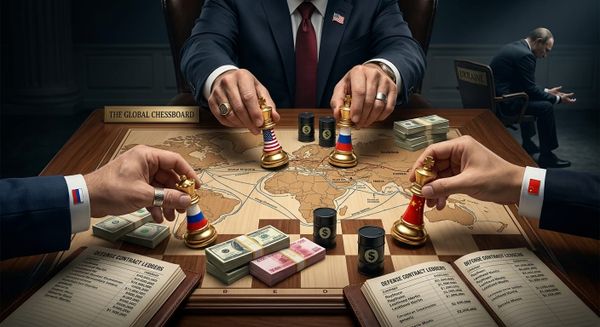
Big Changes Are Coming

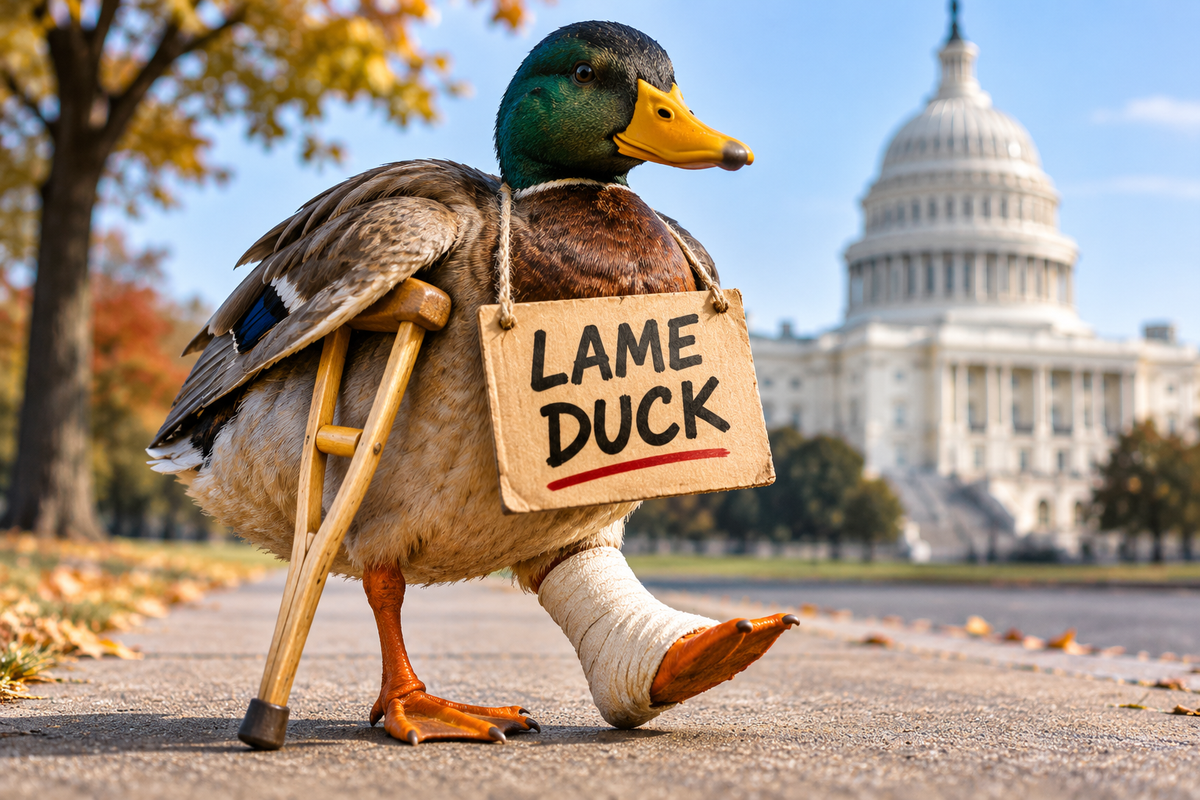
Will Trump Be a Lame Duck?
November 3, 2026
Americans went to the polls today, and the political landscape in Washington is changing dramatically.
The Democratic Party is projected to regain control of BOTH the House of Representatives and the Senate.
But what does that actually mean?
For my international readers, understanding American politics can sometimes feel like learning another language. So, let's break it down.
1. What Just Happened?
The United States Congress has two chambers:
- The House of Representatives: 435 voting members who serve two-year terms.
- The Senate: 100 senators who generally serve six-year terms.
Together, these two chambers create federal laws, approve government spending, and provide oversight of the executive branch.
For the first two years of Donald Trump's second presidency, Republicans controlled both chambers.
Now, Democrats are reportedly taking back control of Congress, fundamentally changing the balance of power in Washington.
2. What Happens Next?
One of the biggest changes could be congressional investigations.
Democratic lawmakers have indicated that they intend to complete a thorough investigation into several issues involving the Trump administration, including:
- The president's family business interests and financial transactions.
- Potential conflicts of interest involving government decisions.
- The misuse of taxpayer money and federal spending.
- Unethical decisions made by senior administration officials.
Congress has the authority to conduct hearings, request documents, and issue subpoenas.
A subpoena is a legal order requiring someone to provide documents or testimony.
These investigations could bring greater public scrutiny to the administration. We'll have to wait and see.
3. Who Controls the Money?
Here's something many people outside the United States may not realize.
The president does not have unlimited authority to spend federal money.
Congress plays a central role in deciding how government funds are allocated.
The House and Senate must approve legislation governing federal spending, and the president generally must sign those bills or negotiate with Congress.
With Democrats controlling Congress, negotiations over budgets, government programs, and federal priorities could become considerably more difficult for Trump and hopefully the allegations of corruption will stop.
This is an example of checks and balances, a fundamental principle of American democracy. For some reason the Republicans were not doing this and that is why the voters have turned the tides.
No single branch of government is supposed to have unlimited power, but some argue that we saw an abuse of that power over the last two years.
4. Is Trump Becoming a Lame Duck?
Now for one of my favorite American political expressions!
Lame duck.
It sounds rather strange, doesn't it?
In American politics, a lame-duck president is commonly a president approaching the end of their time in office, particularly when their political influence is declining.
Donald Trump cannot be elected to a third presidential term under the 22nd Amendment.
With two years remaining in his presidency and a Congress controlled by the opposing party, his ability to advance major legislation could become increasingly limited.
He will still possess significant presidential powers, including the ability to veto legislation and exercise executive authority.
But passing new laws could require substantial negotiation and compromise.
5. What Does This Mean for the Next Two Years?
We could see more congressional hearings, greater scrutiny of government spending, political disagreements, and difficult negotiations between the White House and Congress, possible indictments and much more.
Republicans will continue advocating for the president's policies, while Democrats will have greater authority to challenge those policies and propose alternatives.
The outcome will depend on how both parties choose to exercise their power, but right now the Democrats are not happy.
But, that brings us to something I find particularly interesting.
Communication.
When political opponents must work together, negotiation, conflict resolution, listening, and the ability to find common ground become even more important.
These are the same communication skills we need in business, leadership, and everyday life.
The next two years could provide some fascinating examples of what happens when communication succeeds — and when it fails.
Communication is EVERYTHING!
Lisa Courtney
Founder, The Elephant Method®
Intercultural Communication Specialist