Communication Is a Superpower

Communication Is a Superpower, But It Works Both Ways
— Lisa Courtney, The Elephant Method®
I recently found myself thinking about something as simple as a personal text message. Not a business proposal, not an urgent request, not something that required an immediate answer—just a message sent to someone I care about.
And then I waited. A day. Then another. Then another. Four days later, I received a response.
At first, I tried to explain it away. People get busy, have responsibilities, and live lives outside their phones. I understand that because I do, too. I've gone hours without responding because I was working or simply taking care of my own life. Being unavailable for a few hours is not the same thing as not caring.
But this experience made me reflect on something I've learned through years of working with people from different cultures: Communication isn't just about the words we use; it's about what people experience when they interact with us. And sometimes, a tiny communication choice makes all the difference.
The Power of a Simple Acknowledgment
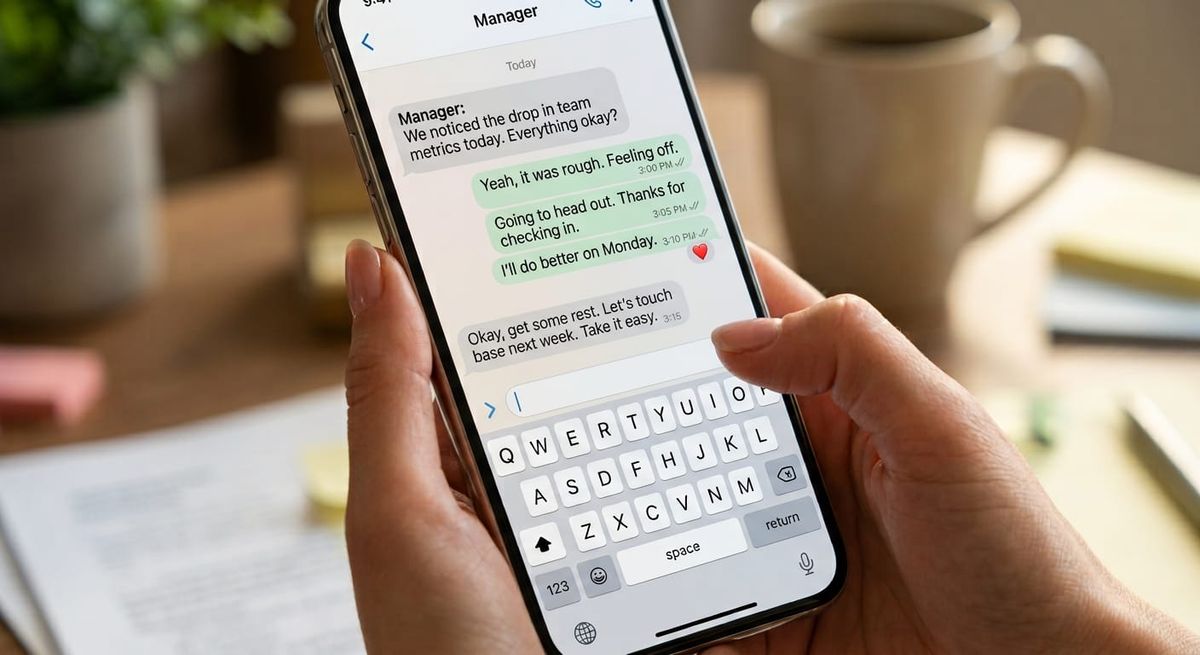
A client of mine from Brazil gave me a wonderful example of this. There are times he can't respond to me immediately, but instead of leaving a message hanging, he might simply drop a ❤️ on it. Later in the evening, when he has time, he sends his actual response.
I love this. Why? Because the heart isn't pretending he suddenly has time for a full conversation. It communicates something simple: “I saw you. I received your message. I value what you said, and I’ll come back to you when I have the time.”
That takes two seconds. Then he gets on with his day.
It is a beautiful example of maintaining a connection while honoring your own boundaries. You don't have to be constantly available to make people feel valued. Sometimes, you simply need to acknowledge that they exist.
"I'm Busy" vs. "You're Not a Priority"
This is where communication gets complicated. We can't know exactly what someone means by a delayed response—maybe they're overwhelmed, traveling, or just hate texting. But communication isn't only about intention; it's also about impact.
If someone repeatedly leaves personal messages unanswered for days, the other person eventually stops experiencing that as "busy." They experience it as: “I'm not important enough for you to make time for.”
And that feeling matters. For me, four days was enough to step back and look at the relationship differently. Not because I expect instant responses or believe people owe me constant access, but because I realized something vital: I don't want relationships where I am continually waiting for someone else to decide when I am worth their attention. Especially, because it signals that the relationship only exists on THEIR terms and timeline.
That is where boundaries come in.
When the Healthiest Response Is No Response
When someone consistently communicates in a way that doesn't work for you, you don't necessarily need a confrontation, anger, or a dramatic explanation. Sometimes, you simply disengage. You finish whatever legitimate business remains, remain courteous and professional, and stop investing.
That's not revenge or manipulation. That's a boundary. A boundary isn't about controlling another person's behavior; it's about deciding what you will and will not participate in.
This is something I especially want women to think about. Many of us have been encouraged to be agreeable, patient, accommodating, and endlessly kind. Those are wonderful qualities—until we learn to give them to everyone except ourselves.
- Being understanding doesn't mean accepting everything.
- Being kind doesn't mean being endlessly available.
- Being supportive doesn't mean putting yourself last.
You can understand why someone behaves a certain way and still decide that their behavior doesn't work for you. We show people how to treat us by deciding what we continue to accept.
The Professional Echo
The way you treat people becomes part of your reputation—even in personal relationships. We sometimes imagine personal and professional worlds exist separately, but they don't. A friend knows someone looking for your services; a former colleague recommends you; a social connection becomes a professional one years later. You never know where your next opportunity will come from.
And people remember how you made them feel:
- Did you make them see them?
- Did you respect their time?
- Did you follow through?
- Or did you make them feel like an inconvenience?
We shouldn't treat people well just because they might someday be useful—that’s transactional. We should treat people well because how we treat others says something about who we are. And that story travels.
Patterns Are Messages
Your text messages are part of that story, too. It's easy to think, "It's just a text," but every interaction communicates something.
- A ❤️ communicates consideration.
- A quick acknowledgment communicates respect.
- A thoughtful response later communicates that someone matters even when you're busy.
- A consistent pattern of disappearing communicates something else entirely.
None of these single actions tells the whole story of a person, but over time, patterns become messages.
Communication is so much more than grammar, vocabulary, or choosing the perfect words. It’s how we build relationships, establish boundaries, create trust, and make people feel.
Communication is a superpower—but it works both ways. Use it to make people feel valued, protect your time without making others feel invisible, and communicate with intention.
And when someone repeatedly shows they don't share your level of investment, you don't have to chase them or convince them of your value. You can simply step back. Because how you communicate with others matters—and how you allow others to communicate with you matters just as much.